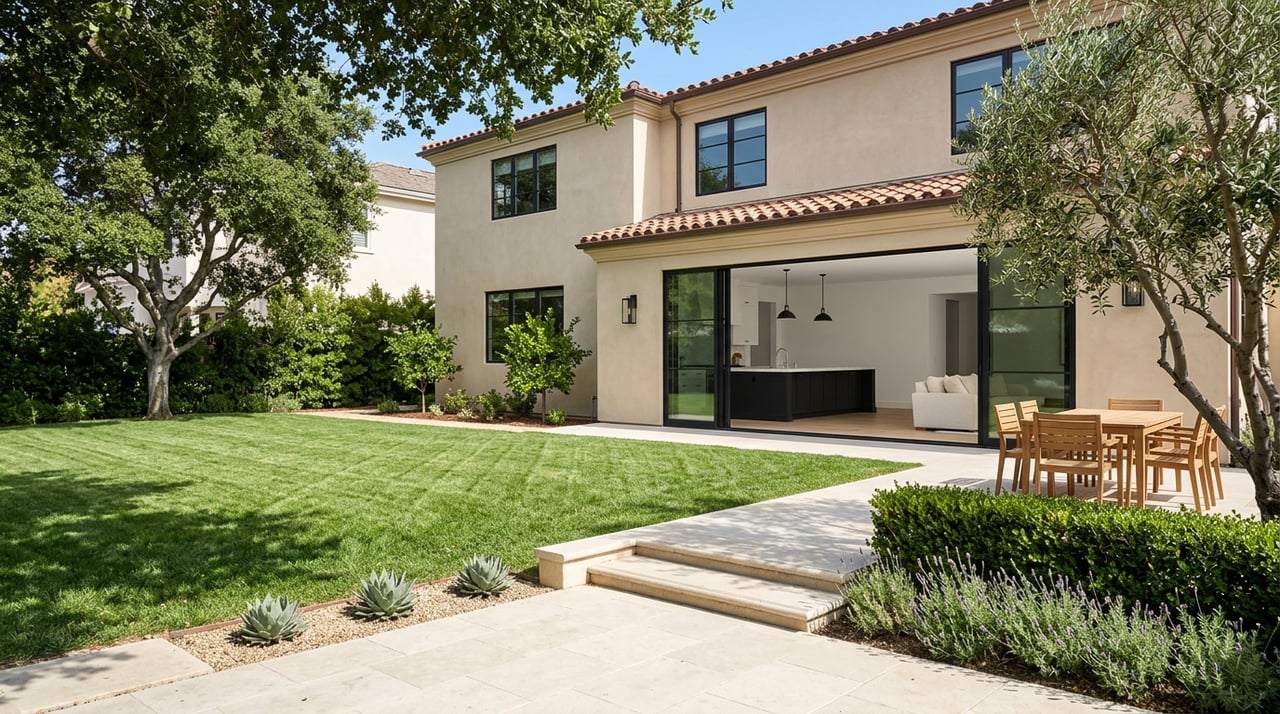
Moving Up To A Larger Home In Poway: What To Know
March 24, 2026
March 24, 2026
Craving more space in Poway but not ready to leave the trails, parks, and daily rhythms you love? Moving up can feel complex when you already own a home, yet with the right plan you can unlock equity, time the sale and purchase, and land a larger place that truly fits your life. In this guide, you’ll get a clear view of Poway’s market, smart financing paths, timing strategies, and local rules that matter before you make a move. Let’s dive in.
Poway home prices sit well above national averages, and recent aggregator snapshots show a local median sale price around the low $1.2 million range with homes going under contract in a few weeks. That translates to a market that is somewhat competitive, especially for larger single-family homes on bigger lots. Price bands vary by neighborhood and property type, so confirm your target range with a current CMA.
Mortgage rates in early March 2026 have hovered near 6 percent, which can shift monthly payments and your approval range. Always check the latest averages from reliable sources like the Freddie Mac Primary Mortgage Market Survey before you lock a plan. Even a small rate move can affect how much home you can comfortably buy.
Before you look at new listings, find your usable equity. That starts with a real, on-the-ground value for your current home and a clear picture of your payoff and closing costs.
Example net proceeds snapshot: If your Poway home sells for $1,200,000 and your mortgage payoff is $650,000, a 5 percent commission would be $60,000 and the county transfer tax would be about $1,320. Your rough net before escrow/title/recording fees would look like $1,200,000 minus $650,000 minus $60,000 minus $1,320, with additional routine fees still to subtract. This is a starting point, not a final figure. Your agent will prepare a detailed net sheet.
Do not forget move-related costs. Professional staging often runs about $1,500 to $4,000 or more for the initial month depending on size and whether the home is vacant. Local moving costs can land in the low-to-mid thousands. Get quotes early so you can budget accurately.
There is more than one way to buy your next home. Your choice comes down to risk tolerance, liquidity, and how competitive your target segment is.
You can make an offer contingent on selling your current home using the California Association of Realtors COP form. Contingencies protect you, but they are weaker in competitive situations and sellers may keep marketing the home. Many COPs include a 72-hour clause that allows the seller to accept another offer and require you to remove your contingency or step aside. Review the CAR COP form language with your agent so you know your options.
If the segment you want is hot, buying non-contingent can help. This often means using a bridge loan, HELOC, or trade-in solution so your offer does not depend on your sale. The tradeoff is higher short-term cost in exchange for greater negotiating strength. Your agent will help weigh the cost of capital against the probability of winning the home.
Back-to-back or same-day closings are possible, but they require tight coordination with escrow, your lender, and the other side’s team. Wire cutoffs and recording windows can affect funding, so start logistics early and choose an escrow company comfortable handling sequential closings.
If you sell first, a short rent-back can bridge the gap to your purchase. Always use a written post-occupancy agreement that covers rent, utilities, insurance, liability, a security deposit, and a move-out date. Clear terms reduce risk for everyone.
Your agent’s checklist should include payoff requests, appraisal scheduling, title and wire timing, contingency release windows, and backup housing options. Little details matter when two transactions depend on each other.
If you are deciding between moving and adding space, review Poway’s Accessory Dwelling Unit standards. The city allows ADUs within state and local guidelines, with size caps that often reference square footage limits or a percentage of the primary home. Start with the city’s ADU and JADU information packet and confirm parcel-level rules with Planning.
Many families target larger homes aligned with specific attendance boundaries. Before you write an offer, verify the address on the Poway Unified School District site. Boundaries and enrollment procedures can change, so rely on the district’s current pages rather than assumptions.
Parts of Poway fall within mapped Fire Hazard Severity Zones. That can affect insurance availability, premiums, and required vegetation management. Check the address against the city’s fire hazard zone resources and talk with the Poway Fire Prevention office about defensible space expectations and any retrofit needs.
Under Proposition 13, California reassesses property at market value at change of ownership, and annual increases are capped by an inflation factor up to 2 percent. This means your new Poway home’s tax bill will likely be higher than a long-held property. Review the state’s overview of Prop 13 in the Board of Equalization’s guide. When selling, also factor San Diego County’s standard documentary transfer tax into your net. Confirm current rates and recording details with the County Recorder.
Coordinating two deals at once takes project management and market fluency. You deserve a hands-on advocate who will price your sale with real data, prep and market it to maximize net proceeds, structure the right financing path, and negotiate timing terms that actually work. If you are thinking about moving up in Poway, let’s talk through your options and map a plan that fits your life. Start the conversation with Jennifer Slocum.
Stay updated on the latest trends in real estate.
May 21, 2026

May 14, 2026
May 7, 2026
April 23, 2026
April 16, 2026
April 2, 2026
March 24, 2026
March 5, 2026
February 19, 2026
Jennifer Slocum delivers expert insight across San Diego and Riverside markets, backed by six years of experience, a 5.0 rating, and tailored marketing strategy. Let her help you achieve your real estate goals with precision and care.