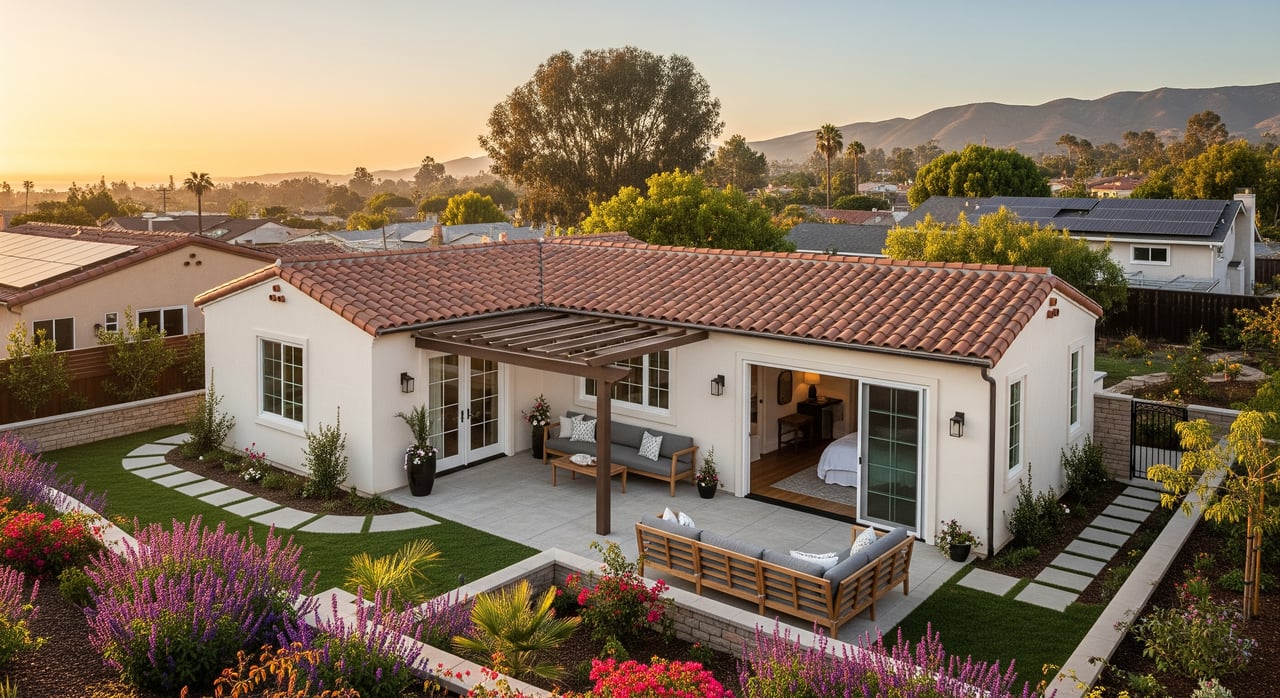
La Mesa ADU Rules, Permits, Parking & Investment
January 15, 2026
January 15, 2026
Thinking about turning your La Mesa backyard, garage, or extra space into a legal rental or a suite for family? You’re not alone. With California’s ADU-friendly laws, many La Mesa owners are exploring smart ways to add living space and potential income without moving. In this guide, you’ll learn how ADUs work in La Mesa, what the rules typically look like, how permits and parking play out, and how to decide if the numbers make sense. Let’s dive in.
California law sets the ground rules for accessory dwelling units (ADUs) and junior ADUs (JADUs), and cities like La Mesa must follow them. State statutes require cities to use objective standards and a ministerial approval process when your plan meets those standards. That means no public hearing is needed when your design complies.
La Mesa can set local design and siting standards, review building safety and utilities, and charge certain fees within state limits. Because codes are updated often, always confirm current requirements with La Mesa’s Planning and Building divisions before you design or apply.
Most La Mesa single-family lots can consider one or more of these options if objective standards are met:
Exact size caps and where each type fits on your lot depend on La Mesa’s standards, building and fire codes, and utility capacity. Confirm details with city staff early.
State law sets broad limits, and many cities allow detached ADUs up to a modest cottage size, while JADUs are smaller. Local rules may tie size to lot coverage or floor area. Side and rear setbacks for detached ADUs are often reduced under state rules, and conversions of existing space can have more flexible placement. Height is typically limited to keep a residential scale, with safety and solar rules in play.
Because numbers vary and can change, check La Mesa’s current ADU handouts for exact size, setback, and height standards before finalizing your design.
Parking is one of the most ADU-friendly parts of state law. In many cases, cities cannot require extra parking for an ADU if:
Where cities can require parking, it is commonly limited to one space per ADU. Garage-to-ADU conversions generally do not require replacement parking. Always confirm La Mesa’s current parking standards for your address.
Cities can charge impact fees and utility connection fees, but state law scales or limits certain fees, especially for smaller ADUs. Utility work, like sewer laterals or electric upgrades, can affect cost and timeline.
ADU permits must be processed ministerially when you meet objective standards, and state timelines push cities to act quickly on complete applications. You will still go through plan review, building permits, and inspections. Ask La Mesa for the latest checklists, submittal requirements, and fee schedule so you can budget accurately.
An ADU can create long-term rental income or a flexible suite for multigenerational living. Rents vary by size, finishes, parking, and location. Review local rental listings to benchmark potential income and build a realistic pro forma.
Adding a legal ADU typically increases your property’s market value. Appraisers look at comparable sales and potential net operating income when evaluating homes with ADUs. Property taxes may rise because the improvement is assessed; check with the San Diego County Assessor for how ADU improvements are handled under Proposition 13.
Short-term rental use depends on local rules. Some cities allow short-term rentals with registration and transient occupancy tax; others restrict or prohibit them. Confirm La Mesa’s current short-term rental policies before planning an ADU as a vacation rental.
Owners commonly fund ADUs with cash, a home equity loan or line of credit, a renovation or construction loan, or a refinance. Costs vary with design, site work, and contractor rates. Conversions often cost less than detached new builds. Lenders may consider rental income, but underwriting varies, so check requirements before you commit.
If you are weighing an ADU in La Mesa, you need clear numbers and a plan that fits your goals. I can help you evaluate likely resale and rental impacts, compare neighborhood demand, and map a realistic timeline if you plan to buy or sell a property with ADU potential. Ready to explore your options? Connect with Jennifer Slocum for local guidance and a next-step strategy.
Stay updated on the latest trends in real estate.
June 4, 2026
May 28, 2026
May 21, 2026
May 14, 2026
May 7, 2026
April 23, 2026
April 16, 2026
April 2, 2026
March 24, 2026
Jennifer Slocum delivers expert insight across San Diego and Riverside markets, backed by six years of experience, a 5.0 rating, and tailored marketing strategy. Let her help you achieve your real estate goals with precision and care.