Selling A Ranch Or Country Property In Valley Center
April 23, 2026
April 23, 2026
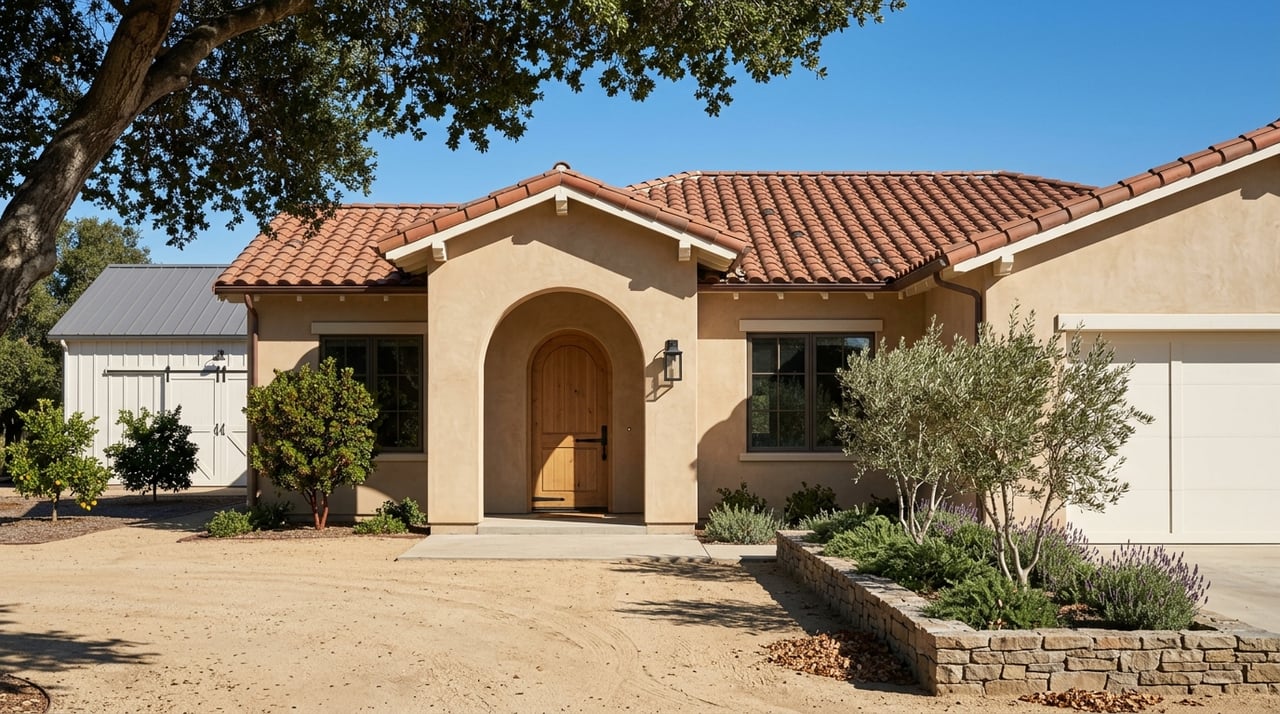
Selling a ranch or country property in Valley Center is rarely as simple as putting a home on the market and waiting for offers. Buyers looking at rural properties usually have bigger questions about land, water, access, permits, and wildfire readiness before they ever focus on finishes or staging. If you want a stronger sale, you need to prepare for the way buyers actually evaluate acreage in this part of North San Diego County. Let’s dive in.
Valley Center is not a typical suburban housing market. According to the County of San Diego’s Valley Center community information, the area covers about 94 square miles and is defined by agricultural activity, estate residential development, low population density, and large areas of open space.
That matters because a buyer is often purchasing more than a house. They are also evaluating the land itself, its usability, access, utility setup, and the status of structures and improvements across the property. In many cases, a country property in Valley Center should be marketed as a land-and-improvements sale, not just a resale home.
Valley Center market headlines can be helpful, but they do not tell the full story for a ranch or country property. Redfin market data shows a March 2026 median sale price of $951,750 and 80 days on market, while other sources report different figures depending on timing and methodology.
The takeaway is simple: broad median numbers can miss what makes your property valuable. Usable acreage, legal access, water source, outbuildings, permit history, and site improvements can all affect value in ways a standard neighborhood comp does not capture.
A strong pricing strategy for a Valley Center ranch starts with documentation. The San Diego County Assessor mapping services and the County’s PDS online property tools can help confirm parcel maps, zoning information, property summaries, and other land-specific details.
This kind of property file gives buyers more confidence and helps support your asking price. It also reduces the risk that your listing is compared too loosely with homes that may share a ZIP code but not the same land characteristics.
Water is one of the first issues many buyers will investigate. The Valley Center Municipal Water District fact sheet says its service area is about 101 square miles and that roughly 71% of the land-use area receives water service.
That means not every property is served the same way. Some parcels may be on district water, while others may rely on a well or require buyers to understand easements, meter status, or service application steps.
If your property connects to district water, it helps to know what paperwork exists and whether the parcel directly adjoins district right of way. The district’s water and customer service information notes that new service applications may require proof of ownership, a recorded parcel map, and evidence of a private utility easement in some situations.
In rural San Diego County, water wells and septic systems are not side notes. They are major parts of buyer due diligence. The County’s water wells program states that permits are required for well installation or modification, and the County also regulates septic system design, installation, inspection, and maintenance for properties not served by sewer.
The County notes that septic records have been kept since the late 1970s, and septic sizing depends on percolation data and bedroom count. For a seller, this means old assumptions are not enough. Buyers will want clear records when they are available, especially if the property’s value depends on its utility setup.
Access can make or break buyer confidence on a country property. The County’s road maintenance information explains that some roads are county-maintained, while many private roads are maintained by property owners.
That distinction matters in a sale. Buyers often want to know whether the road is public or private, who maintains it, and how the property is reached in all seasons.
Fire access matters too. County Fire standards require access roads and driveways to support fire apparatus loads, provide all-weather driving capability, and meet width and slope standards. If your driveway is a key feature of the property, it should be presented with the same care as the house itself.
One of the easiest ways to create friction in escrow is to leave boundary questions unresolved. The County states that only an official survey map can verify the exact boundary between county right-of-way and private land, and private work in the right-of-way may require review and permits.
Before listing, it is smart to review whether fences, gates, landscaping, or driveway improvements could affect county right-of-way. The County’s right-of-way enforcement guidance is a useful reference point for this issue.
Barns, corrals, arenas, workshops, and sheds can add major appeal, but only when they are described accurately. In unincorporated San Diego County, building permits are reviewed against building standards, grading standards, zoning, and fire code through the County’s building and permitting system.
The County zoning framework includes separate categories for uses such as horse stables, horse keeping, and grazing-related animal uses. That is why it is important to avoid broad claims about what a structure or setup can be used for unless the legal use is clear.
If your property has additions, grading work, sheds, barns, or other improvements, it helps to investigate the record before the home hits the market. The County’s PDS online services are designed to help owners research permit and property information.
This step does not just protect you during disclosure. It also helps shape a cleaner marketing story, because buyers tend to respond better when a seller can answer questions directly instead of relying on guesswork.
In Valley Center, wildfire readiness is part of the sales conversation. It is not cosmetic. CAL FIRE’s defensible space guidance says 100 feet of defensible space is required by law, and outbuildings and propane tanks should have 10 feet of clearance from flammable vegetation.
For sellers, visible brush management can reduce buyer concern and keep attention on the property’s strengths. In many cases, simple pre-listing cleanup and documented mitigation work can help show that the property has been maintained with local conditions in mind.
A Valley Center ranch listing benefits from more documentation than a typical tract home. A practical pre-listing packet may include:
This approach is supported by the County’s parcel map limitations, right-of-way guidance, property research tools, and water district service requirements. When buyers can review a clear packet early, they can make decisions faster and with fewer assumptions.
A country property buyer is often comparing more than interior finishes. They may be weighing usable flat areas, access points, outbuildings, utility setup, and how the parcel functions day to day.
That is why your marketing should make the land easy to understand. Aerial images, parcel lines, driveway approach, pad locations, utility notes, and clear photos of barns, shops, corrals, and open areas can all reduce friction for serious buyers.
Because Valley Center is agricultural and estate-residential in character, the likely buyer pool is narrower than it is for a standard suburban listing. That usually means your sale benefits from a more focused strategy, stronger documentation, and pricing that reflects the property’s actual features instead of broad averages.
This is where hands-on guidance matters. A strong listing plan should combine local market knowledge, careful prep, premium presentation, and a clear explanation of what buyers are really buying.
If you are thinking about selling a ranch or country property in Valley Center, the best first step is to get organized before the listing goes live. With the right pricing strategy, documentation, and presentation, you can reduce surprises and put your property in a stronger position to sell. If you want a tailored plan for your property, connect with Jennifer Slocum for local guidance and a full-service approach.
Stay updated on the latest trends in real estate.
May 21, 2026
May 14, 2026
May 7, 2026
April 23, 2026
April 16, 2026
April 2, 2026
March 24, 2026
March 5, 2026
February 19, 2026
Jennifer Slocum delivers expert insight across San Diego and Riverside markets, backed by six years of experience, a 5.0 rating, and tailored marketing strategy. Let her help you achieve your real estate goals with precision and care.