Choosing Between Coastal, Suburban And Rural Living In San Diego
May 21, 2026
May 21, 2026
If you are trying to decide where to live in San Diego County, you are not just choosing a house. You are choosing how your days will feel, how far you will drive, and what kind of upkeep will come with your property. The good news is that San Diego offers real options, from beachside living in Encinitas to suburban neighborhoods in Poway and Rancho Bernardo to larger rural properties in Valley Center. This guide will help you compare coastal, suburban, and rural living so you can narrow in on the right fit for your lifestyle. Let’s dive in.
San Diego County covers a wide range of landscapes and living patterns. Countywide, the mean travel time to work is 25.5 minutes, and the median owner-occupied home value is $854,700. Those county numbers are useful, but they only tell part of the story because day-to-day life can look very different depending on where you buy.
The county’s General Plan aims to balance infrastructure, housing, economic vitality, agricultural areas, and open space. In practical terms, that helps explain why coastal, suburban, and rural communities can feel so distinct even within the same county. Your best choice often comes down to your preferred daily rhythm, not just your budget.
If you picture morning beach access, ocean air, and a community shaped by the shoreline, Encinitas is the clearest example of coastal living in this comparison. The city stretches along six miles of Pacific coastline and is known for its beaches, surf culture, and coastal wetland environment. That setting influences both lifestyle and homeownership.
Coastal living often appeals to buyers who want quicker access to the beach and a more connected local feel. Encinitas also plans for a multimodal transportation network that serves drivers, cyclists, pedestrians, transit users, and rail users. That can support a lifestyle with shorter local trips and more transportation choices.
Encinitas has a broader housing mix than many people expect for a coastal market. The city includes 13,657 detached single-family homes, 8,253 attached single-family homes, 4,172 multifamily units, and 739 mobile homes. That variety gives you more than one entry point into the area, even though pricing remains high.
Among the locations in this guide, Encinitas is the most expensive. Census data shows a median owner-occupied home value of $1,646,800, a 66.5% owner-occupied rate, and a mean commute of 24.7 minutes. If coastal access is high on your list, it may come with a premium.
Coastal ownership can bring added layers of review and maintenance. Encinitas operates under a Local Coastal Program, and the city says most of the city lies within the Coastal Zone with local coastal development permit authority in place. That means projects affecting your property may involve more permit sensitivity than they would farther inland.
The city’s Coastal Zone Program also addresses sea level rise, erosion, recreation, hazardous weather impacts, aesthetics, and quality of life. For you as a buyer, that means coastal property decisions are not only about the house itself. They can also include added attention to regulations, long-term exposure, and upkeep tied to the shoreline environment.
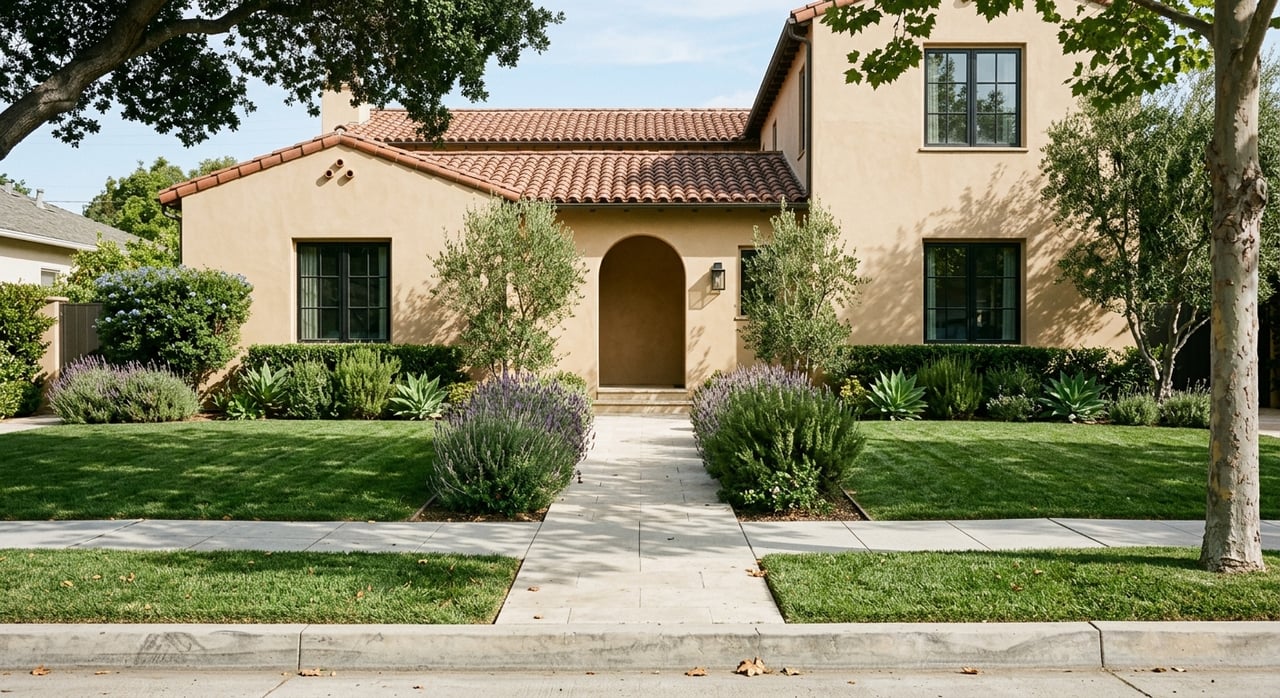
If you want a balance of space, access, and a more conventional ownership experience, suburban living often lands in the middle. In San Diego County, Poway and Rancho Bernardo are strong examples of this option. They tend to offer a practical blend of neighborhood living, open space, and regional access.
This is often where buyers look when they want more room than the coast usually offers without taking on the longer drives and extra property systems common in rural areas. For many households, suburban areas provide the easiest day-to-day routine. You can often find a comfortable mix of lot size, commute, and maintenance.
Poway describes itself as the City in the Country, and more than half of its 39.4 square miles is preserved as dedicated open space. The city also highlights 78 miles of trails and convenient freeway access. That combination gives Poway a suburban feel with a strong connection to outdoor space.
Poway says 80% of its housing units are single-family dwellings, while still offering a range from multi-family apartments to homes on larger rural parcels. Census data shows a median owner-occupied home value of $1,034,800 and a mean commute of 25.3 minutes. That places Poway close to the county commute average and below Encinitas on price.
Rancho Bernardo is the northernmost residential community in the City of San Diego and centers on the Interstate 15 corridor. The city describes it as a master-planned community with private parks and clubs for each neighborhood. Its location along I-15 helps explain why many buyers see it as a practical option for regional access.
The city is also updating the Rancho Bernardo community plan to address homes, businesses, infrastructure, mobility, urban design, public facilities, natural resources, and economic development. For buyers, that points to a community with an established suburban pattern and ongoing planning for future needs.
Suburban homes often come with the most familiar maintenance profile of the three choices. Instead of coastal permit concerns or rural systems like wells and septic, the main variables are usually yard size, neighborhood amenities, and planned-community rules. That can make budgeting and long-term upkeep feel more predictable.
If you want a home that fits into a more standard neighborhood pattern, suburban living may be the easiest match. You still need to compare homes carefully, but the ownership learning curve is often lower than it is in rural settings. For many buyers, that simplicity matters.
If privacy, land, and lower density are your top priorities, Valley Center represents a very different kind of San Diego lifestyle. This unincorporated community covers about 94 square miles and is shaped by agricultural activity, open space, estate residential development, and low population density. The county also notes that one goal of its planning work is to retain rural character.
Rural living can be a strong fit if you want more elbow room and do not mind a different ownership experience. In many cases, the appeal is not just the house. It is the parcel size, the separation from neighbors, and the flexibility that comes with a less dense setting.
Valley Center can offer a different value equation than the coast or suburban middle ground. Census data shows a median owner-occupied home value of $883,700, which is below Poway and far below Encinitas. At the same time, the mean commute is 37.6 minutes, which is notably longer than the county average.
Density also tells an important story. Valley Center has 367.5 people per square mile, compared with Encinitas at 3,253.9 people per square mile. If you are trying to picture how much more spread out rural living feels, that contrast helps make it real.
Rural properties often come with more self-managed systems and site responsibilities. San Diego County says groundwater is the sole source of drinking water in many rural communities, and septic systems are regulated countywide. The county also notes that septic sizing depends on percolation data and bedroom count.
Wildfire preparedness is another major factor. The county says wildfires are a major hazard and residents should assess wildfire risk and prepare their homes. If you are considering Valley Center, it is important to think beyond square footage and price and look closely at well awareness, septic considerations, larger-lot upkeep, and fire readiness.
Coastal living may be your best fit if beach access, ocean setting, and a more shoreline-centered routine shape how you want to live. Encinitas offers that lifestyle clearly, along with a dense housing mix and a strong coastal identity. You should also be comfortable with a higher price point and the added realities of coastal regulation and exposure-related upkeep.
Suburban living may make the most sense if you want a middle ground between convenience and space. Poway and Rancho Bernardo offer established residential patterns, open space, and freeway-oriented access without the same level of coastal permitting or rural property management. This option often works well if you want a more predictable ownership experience.
Rural living may be the right move if privacy, larger parcels, and lower density matter more to you than a shorter commute. Valley Center can reward buyers who want estate-style or country property and are ready for a more hands-on ownership role. The tradeoff is usually more driving and more attention to property systems and risk management.
| Area | Living Style | Median Owner-Occupied Home Value | Mean Commute |
|---|---|---|---|
| Encinitas | Coastal | $1,646,800 | 24.7 minutes |
| Poway | Suburban | $1,034,800 | 25.3 minutes |
| Valley Center | Rural | $883,700 | 37.6 minutes |
This table does not replace a full home search, but it highlights the core tradeoffs. Encinitas tends to favor coastal access and a higher price point. Poway offers a suburban middle ground, while Valley Center leans toward more land and a longer drive.
The right choice in San Diego is rarely about picking the “best” area in the abstract. It is about matching your budget, commute tolerance, maintenance comfort, and lifestyle priorities to the part of the county that supports them best. What feels perfect for one buyer can feel limiting to another.
That is where local guidance makes a difference. If you want help comparing neighborhoods, weighing tradeoffs, or narrowing your options across coastal, suburban, and rural communities, Jennifer Slocum can help you make a smart, confident move.
Stay updated on the latest trends in real estate.
May 21, 2026
May 14, 2026
May 7, 2026
April 23, 2026
April 16, 2026
April 2, 2026
March 24, 2026
March 5, 2026
February 19, 2026
Jennifer Slocum delivers expert insight across San Diego and Riverside markets, backed by six years of experience, a 5.0 rating, and tailored marketing strategy. Let her help you achieve your real estate goals with precision and care.